How to Open a Pilates Studio
Opening your own Pilates studio can be an exciting step if you are already an experienced instructor. It is a big decision, but with Pilates becoming more popular across Australia, from gyms and wellness centres to physiotherapy clinics and aged care facilities, there are plenty of opportunities. With some careful planning, your studio can be both rewarding and profitable.
Why start a Pilates studio?
Running your own studio gives you the chance to share your passion and connect with clients in a meaningful way. You get to shape the experience around what you love about Pilates, whether that is helping people recover from injury, build strength, or simply enjoy a mindful workout.
At the same time, it is a business. You will need to think about your location, target audience, equipment, staff, and marketing. But if you plan carefully, it can be both personally fulfilling and financially viable.
What do you need to start a Pilates studio?
Before buying equipment or signing a lease, it helps to start with some research. Talk to other instructors, visit local studios, and get a clear idea of what your potential clients are looking for. Understanding your community’s needs will help you decide what type of studio to run.
Mat-based studios
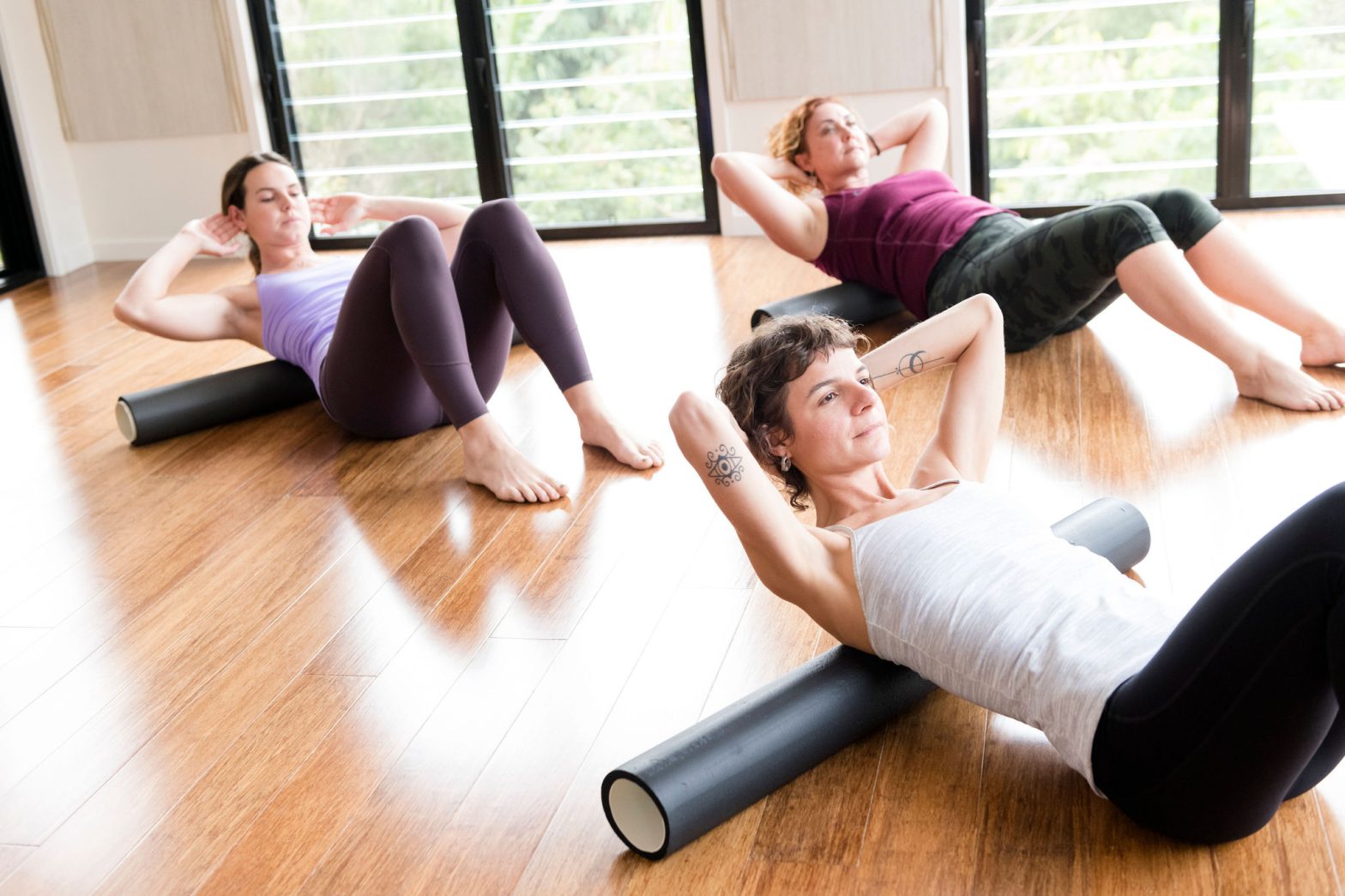
If you are starting small, a mat-based studio can be a great option. The start-up costs are lower, and you mainly need mats, small props like balls and bands, and a welcoming space. Mat-based classes are ideal for groups and can help you build a steady client base.
Reformer studios
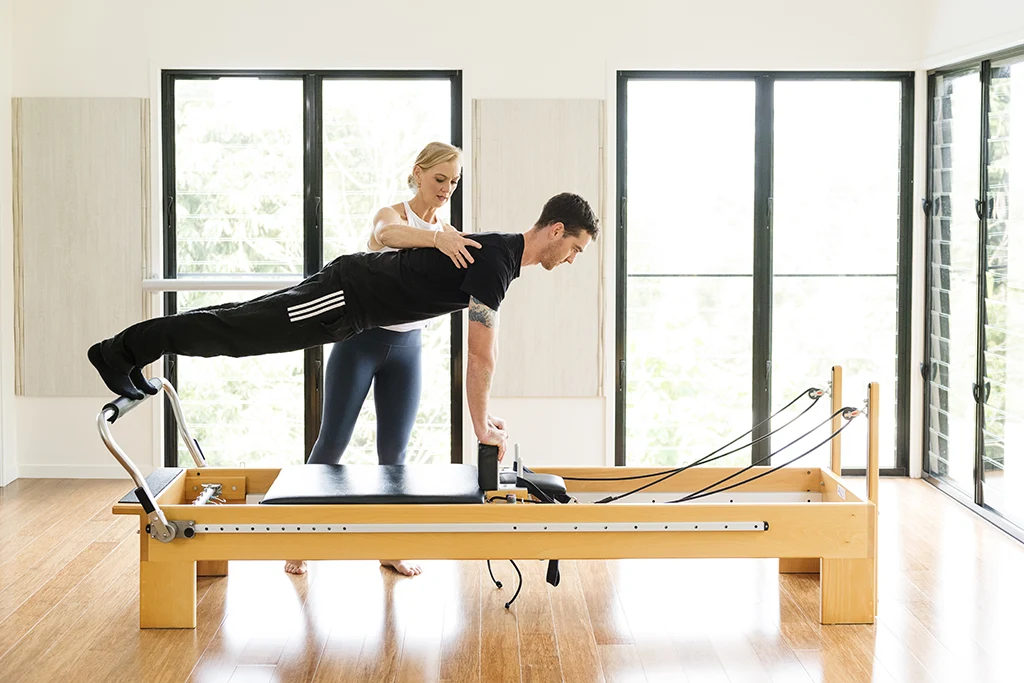
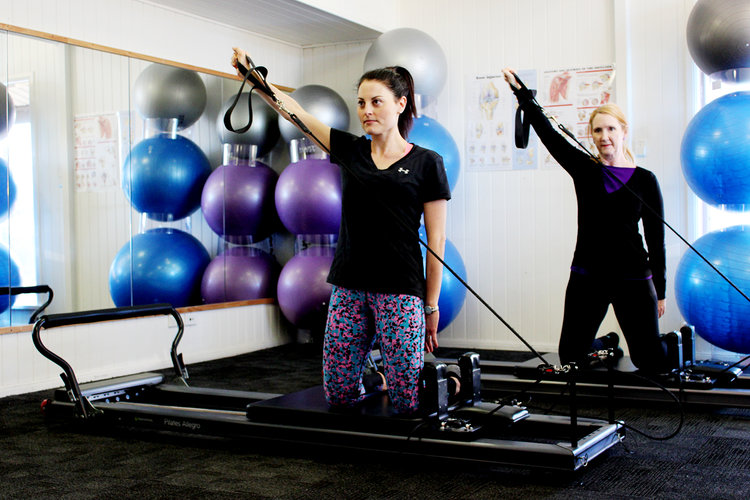
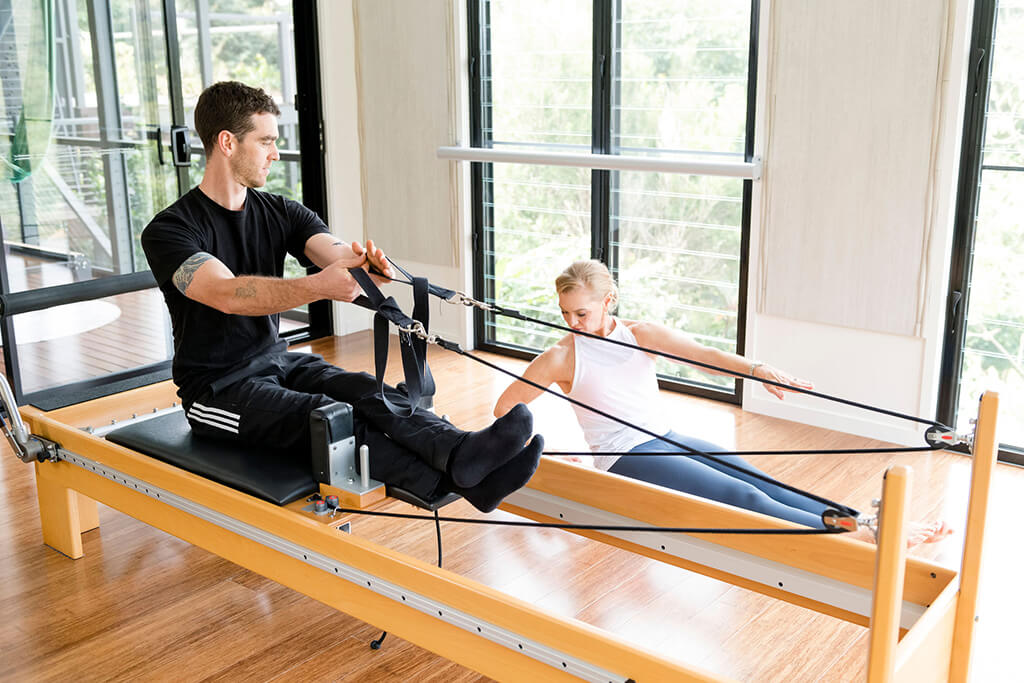
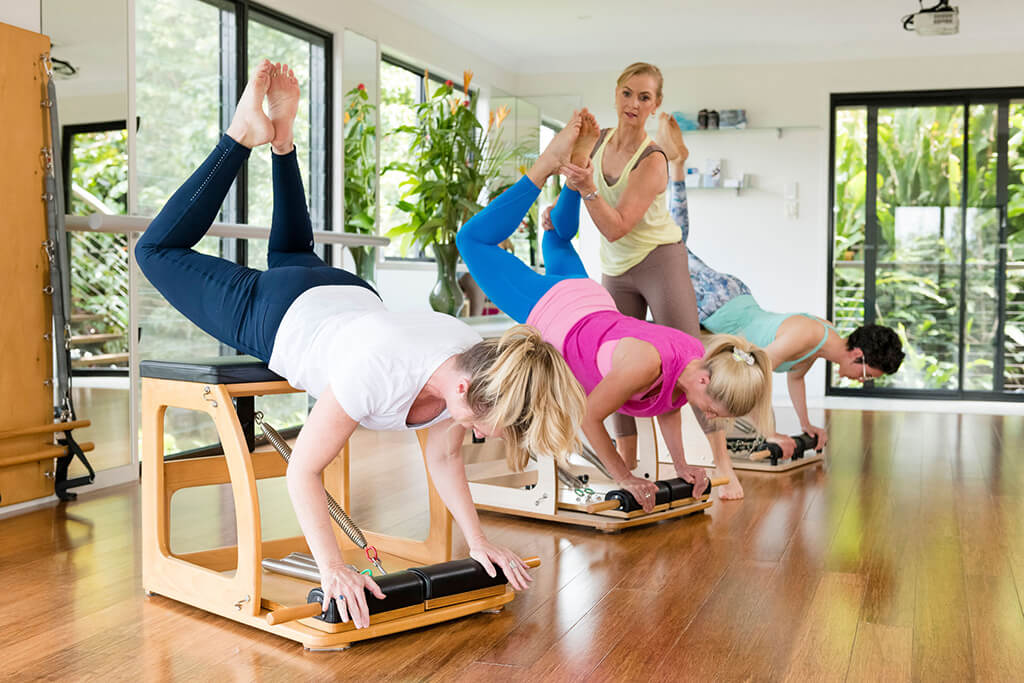
If you want to offer more specialised classes, a Reformer studio might be the next step. Each Reformer costs several thousand dollars, and clients usually pay more per session. You can run small group or private classes, which helps increase your income.
Rehab or mixed studios
Finally, a rehab or mixed studio focuses on private sessions with some group classes. This type of studio often attracts clients who are committed to ongoing rehabilitation or fitness. You will need a range of equipment and specialised programming. Even though setup costs can be lower than a full Reformer studio, planning is key to meet client needs.
If you or your staff need flexible training options, consider a Pilates Instructor Course Online. It is a convenient way to make sure everyone is qualified and confident before classes begin.
Choosing your studio type will guide your decisions on equipment, class structure, and overall business model. Think about your goals, your budget, and the community you want to serve.
How much does it cost to open a Pilates studio?
Costs will depend on the type of studio and its location. For a small mat studio, you could spend around $5,000 to $10,000 on basic mats, props, and flooring.
A Reformer studio costs more. Each Reformer is around $3,500 to $6,000, and additional equipment like Wunda Chairs, Cadillacs, or barrels can add another $5,000 to $15,000. Fit-out, flooring, and mirrors can add between $20,000 and $50,000 depending on your space.
A rehab or mixed studio setup may cost slightly less than a full Reformer studio, but you will still need specialised equipment and programs. A small to medium setup can range from $25,000 to $60,000 or more.
Other expenses include rent, which in metro areas is usually $1,500 to $3,000 per month, in suburban areas around $800 to $1,500, and lower in regional spaces. Insurance for public liability and professional indemnity costs around $1,000 to $2,000 per year. Casual instructors can earn roughly $30 to $40 per class, while admin staff usually receive $20 to $30 per hour. Scheduling and booking software costs $50 to $200 per month, and marketing budgets for new studios are often $500 to $2,000 per month.
How much do Pilates studio owners make?
Income depends on the type of class, location, and business model. For example, six clients attending mat classes at $25 to $30 per class could bring in around $1,500 per week if you teach four hours a day. Running five Reformers with clients paying $40 each could generate roughly $3,000 per week for the same hours. Rehab or mixed studios offering private sessions and small group classes can reach similar revenue with fewer pieces of equipment but a committed client base. Hiring additional staff gives you more flexibility and lets you expand your offerings.
For a detailed breakdown of what Pilates studio owners can earn in Australia, check out How Much Does a Pilates Instructor Make in Australia?
Choosing the right location
Where you set up your studio is very important for attracting clients. You could rent a commercial space in a busy area, share space with allied health providers such as physiotherapists or chiropractors, or use unconventional spaces like community halls, former retail units, or churches. Some owners even purchase a property as a long-term investment.
Think about accessibility, parking, and the type of clients you want to attract. These factors can make a big difference to your studio’s success.
Tips for running a successful Pilates business
Many studio owners wish they had known a few things before opening. Passion is essential, because clients notice when you genuinely care about what you do. Running a studio takes hard work because teaching, administration, and marketing all require your attention. You can’t do everything yourself, so hiring the right people and delegating tasks is vital. Marketing is part of the business, and being consistent and creative really pays off. Finally, taking the time to plan carefully helps you avoid mistakes and costly surprises.
Key takeaways for aspiring studio owners
Opening a Pilates studio is about combining passion with business sense. Focus on your clients, your community, and your own strengths as an instructor. With research, careful planning, and a clear vision, your studio has the best chance of thriving.


Latest Blog Post